
Engaging Kids with Free Printable Puzzles at Home and School
Introduction: Simple Learning and Entertainment Through Printable Puzzles
Printable puzzles have emerged as an essential resource for both entertainment and learning in a child’s daily routine. They cater to a wide age range and can be customized to suit varying academic levels, making them incredibly versatile tools for parents and educators alike. In an age where screen time is prevalent, offering interactive and engaging activities like puzzles can promote cognitive development while still being captivating.
Utilizing printable puzzles can easily transform mundane lessons into exciting learning experiences. Teachers can incorporate them into their curricula to reinforce subjects such as mathematics, science, or language arts. Likewise, parents can use printable puzzles as an engaging way to encourage their children to think critically and creatively without relying on electronic devices. Engaging children in puzzle-solving not only stimulates their minds but also hones vital skills such as problem-solving, hand-eye coordination, and teamwork when completed in group settings.
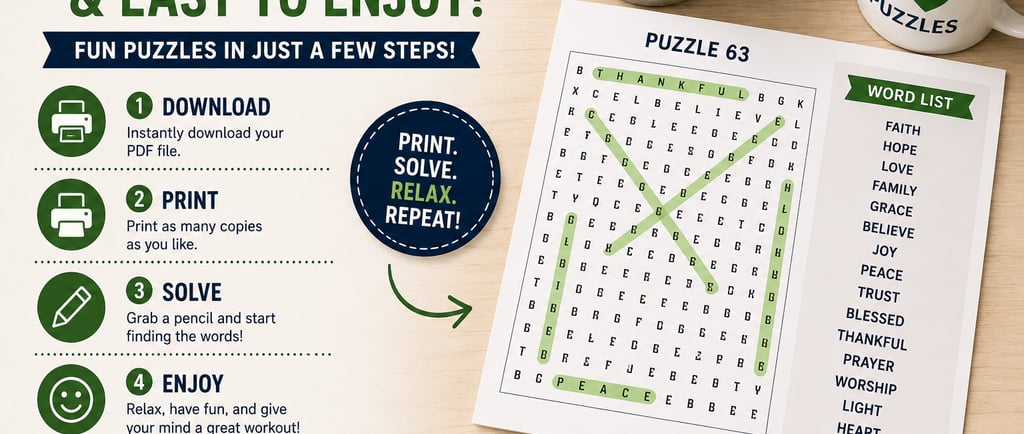
The accessibility of printable puzzles is a significant advantage. With just a printer and a few art supplies, families and classrooms can create countless hours of educational fun. They can be tailored to specific themes, subjects, or even skills that children struggle with, providing a focused learning opportunity. Furthermore, the instant availability allows for seamless integration into daily activities, whether it is during downtime at home or as a part of educational games in school.
In summary, printable puzzles not only serve as simple forms of entertainment but also as valuable educational tools. By seamlessly blending learning with fun, these resources can captivate children's minds, making them an ideal addition to both home and school environments.
Cognitive Benefits of Puzzles: Building Key Skills
Puzzles have long been recognized as valuable tools in the development of cognitive skills among children. Engaging with various types of puzzles, whether they are jigsaw puzzles, crosswords, or Sudoku, plays a significant role in enhancing essential attributes such as problem-solving abilities, vocabulary development, memory enhancement, focus, and patience.
As children work through puzzles, they encounter challenges that require critical thinking and resourcefulness. This process helps them develop problem-solving skills, enabling them to analyze situations, strategize, and execute plans effectively. For instance, while tackling jigsaw puzzles, children must visualize outcomes and manipulate pieces based on spatial awareness, a crucial cognitive skill that contributes to their overall reasoning abilities.
Furthermore, puzzles are an excellent medium for vocabulary development. Many puzzles come in the form of word games that expose children to new words and concepts. By filling in missing letters or solving clues, they not only learn vocabulary but also improve their reading comprehension and language skills, which are fundamental to academic success.
Memory enhancement is another profound benefit of engaging with puzzles. The act of remembering piece locations in jigsaw puzzles or recalling answers in word searches necessitates cognitive recall, strengthening memory pathways. Consistent practice in puzzle-solving can lead to improved retention and recollection abilities, which are vital for learning.
Puzzle-solving also fosters greater focus and patience. Completing a puzzle often requires sustained concentration and perseverance, teaching children to remain patient through challenges. This focus can translate into improved attention spans, a benefit that is largely transferable to academic settings.
In conclusion, the cognitive benefits associated with puzzles not only make them an excellent educational tool but also provide a comprehensive foundation for children's intellectual and personal growth. Through solution-oriented play, children build a wide array of skills that will serve them well in both their academic and everyday lives.
Popular Puzzle Types for Kids: Variety and Fun
Puzzles serve as an engaging and educational pastime for children, offering a range of options to suit different interests and age groups. One of the most loved types is the word search, where kids can enhance their vocabulary while searching for hidden words in a grid. This type of puzzle not only boosts spelling skills but also encourages concentration and attention to detail.
Another favorite among young learners is the beginner crossword. Crosswords involve placing words in a grid based on given clues, thus promoting critical thinking and problem-solving skills. These puzzles can be tailored for various age levels, making them a versatile addition to any learning environment. Younger kids might enjoy simpler crosswords with pictures or themes they relate to, while older children can tackle more complex clues.
Mazes are also popular, providing a physical and interactive challenge as children navigate through intricate pathways. These engaging puzzles help develop spatial awareness and fine motor skills as they draw their way to the finish point. They can be found in varying degrees of difficulty, ensuring an appropriate challenge for both young children and older students.
Holiday-themed puzzles are another exciting option that can be incorporated into seasonal activities. These puzzles, featuring festive themes like Halloween or Christmas, foster enthusiasm while linking education with fun. They can include various formats, such as jigsaw puzzles or themed word searches, creating enjoyment throughout the year.
Lastly, number puzzles, such as Sudoku or simple math riddles, cater to those who enjoy numerical challenges. These puzzles are excellent for developing logical reasoning and arithmetic skills. With such a diverse range of puzzles available, educators and parents can easily find something to engage every child, making learning an enjoyable experience.
Utilizing Printable Puzzles in Various Settings
Printable puzzles provide a versatile tool that can be effectively integrated into various settings, including homes, classrooms, after-school programs, and during travel. For parents, utilizing printable puzzles at home can transform quiet time into an engaging and educational experience. A diverse assortment of puzzles—such as crosswords, word searches, and jigsaw puzzles—can cater to different age groups and interests. Parents can encourage their children to solve these puzzles independently or together, fostering family bonding while promoting critical thinking and problem-solving skills.
In educational settings, teachers can harness the power of printable puzzles to enhance group activities. By integrating puzzles into lesson plans, educators can encourage collaboration among students. For instance, puzzles related to the subjects being taught, such as math-themed crossword puzzles or history-oriented word searches, can reinforce the learning objectives while making lessons enjoyable. Incorporating team-based puzzle challenges in the classroom not only drives enthusiasm but also promotes social skills.
After-school programs can also greatly benefit from the inclusion of printable puzzles. Facilitators can offer a range of puzzles that provide an opportunity for students to unwind while still engaging their minds. These activities can be designed to suit various skill levels and learning goals, ensuring that all participants remain challenged yet supported in their learning journey.
Furthermore, during travel, printable puzzles serve as an excellent form of entertainment that can keep children occupied for hours. They can be printed out and packed easily, making them a convenient option for road trips, flights, or long waits. By utilizing printable puzzles in these different environments, parents and educators alike can create enriching experiences that combine fun and education effectively.
The Importance of Screen-Free Activities for Balanced Learning
In a fast-paced digital world, children are increasingly engaged with screens, whether through tablets, smartphones, or computers. While technology plays a vital role in education, there is a growing awareness about the importance of incorporating screen-free activities into children's daily routines to promote balanced learning and development. Engaging in activities like puzzles not only reduces screen time but also supports essential cognitive and emotional growth.
Puzzles, for instance, serve as a valuable tool for enhancing concentration and focus. When children are engrossed in solving a puzzle, they are required to utilize critical thinking skills and delve into problem-solving, thereby fostering a deeper understanding of spatial awareness and logical reasoning. This engagement can lead to improved academic performance, as children learn to apply the same thinking processes to their schoolwork.
Moreover, puzzles encourage creativity and imagination. Children have the freedom to explore different ideas and strategies while attempting to complete a puzzle, allowing them to express themselves and develop innovative thinking. Such activities promote resilience, as children learn the value of persistence when faced with challenges, teaching them to approach obstacles with a growth mindset.
Additionally, participating in screen-free activities contributes significantly to mental wellness. The act of focusing on a tangible task like a puzzle can reduce anxiety and stress, providing a much-needed respite from the overwhelming stimulation of digital devices. It allows kids to cultivate mindfulness, enhancing their overall emotional health and leading to healthier coping mechanisms in stressful situations.
By integrating puzzles and other screen-free activities into their routines, parents and educators can create a more well-rounded educational experience. This establishes a foundation where children not only thrive academically but also emotionally and socially, ensuring balanced development in a digital age.
Discover Free Puzzle Library: Your Resource for Printable Puzzles
The Free Puzzle Library serves as an invaluable resource for parents and educators looking to engage children with interactive and stimulating activities. This online platform offers a vast selection of printable puzzles, including crosswords, word searches, Sudoku, and jigsaw puzzles, catering to various age groups and skill levels. Users will find that the website is user-friendly, allowing for easy navigation without requiring advanced technical skills.
To access the library, visitors simply need to visit the homepage where they will be greeted with a categorized list of available puzzles. These categories are designed to help users quickly find the types of puzzles that best suit the interests and abilities of the children they are working with. Each puzzle is accompanied by a brief description, providing essential information such as recommended age range and difficulty level. This ensures that parents and teachers can select the most appropriate resources for their specific needs.
Furthermore, the library is constantly updated with new content, which means children will always have fresh material to explore. This rotation of puzzles not only keeps the activities engaging but also encourages repeated visits to the site. Additionally, printable puzzles can be tailored to align with educational topics, making them beneficial for reinforcing learning in the classroom or at home.
In essence, the Free Puzzle Library offers a comprehensive and easily accessible collection of printable puzzles that are perfect for enhancing cognitive skills. Whether it's for leisure or educational purposes, this resource stands out as a go-to option for fostering a love of learning through fun and interactive challenges.
Conclusion: Explore and Engage with Printable Puzzles
As we have explored throughout this post, engaging children with free printable puzzles can significantly contribute to their learning and entertainment. The myriad of puzzles available in the Free Puzzle Library offers a resourceful avenue for educators and parents alike to foster critical thinking and creativity in young minds. By integrating puzzles into daily activities, children not only have fun but also enhance their cognitive skills, including problem-solving, pattern recognition, and logical reasoning.
Moreover, printable puzzles serve as a versatile educational tool that can be seamlessly incorporated into various subjects such as mathematics, language arts, and science. This creative approach to learning can make complex concepts more accessible and enjoyable, thus encouraging children to engage with their studies actively. By providing students with options to work on different types of puzzles, educators can cater to diverse learning styles and preferences, promoting a more inclusive learning environment.
Furthermore, these engaging activities are not limited to the classroom; they can also be enjoyed at home during family time, offering a perfect opportunity for quality interaction between parents and children. The shared experience of working on puzzles can strengthen family bonds while collectively solving challenges. As children succeed in completing puzzles, they experience a sense of achievement that boosts their confidence and willingness to tackle new challenges.
In conclusion, exploring the wealth of free printable puzzles available is not just a means of entertainment; it is a powerful strategy to enhance children's educational journey. We encourage everyone to take full advantage of these resources, making learning a fun and engaging experience that positively impacts children's development.